
What Is the Slow Fashion Movement? Explained Simply

Last Updated: October 23, 2026
Quick Summary
Slow fashion is a design, production, and buying philosophy that prioritizes garment longevity, ethical labor, and reduced environmental impact over rapid trend turnover. It stretches production timelines, invests in durable materials and construction, and treats clothing as something you keep rather than dispose of.
- Fast fashion compresses design-to-shelf cycles into weeks and prices garments for disposable wear.
- Quality means observable traits like denser fabric, reinforced seams, and cured prints, not a price tier.
- The 30-wear test is the filter that saves the most money when shopping.
- A buying pause of one to three months helps break the impulse cycle.
- Track cost per wear and repairs versus replacements with a simple phone note.
Table of Contents
- Slow Fashion Explained: More Than a Trend
- Slow Fashion vs Fast Fashion: What's the Real Difference?
- Core Slow Fashion Principles That Actually Matter
- How to Make Clothes Last Longer: Care That Counts
- How to Start a Slow Fashion Wardrobe Without Starting Over
- How to Verify Sustainability and Labor Claims
- The Real Trade-Offs: Cost, Access, and Imperfection
- Frequently Asked Questions
Slow Fashion Explained: More Than a Trend
The slow fashion movement is a design, production, and buying philosophy that prioritizes garment longevity, ethical labor, and reduced environmental impact over rapid trend turnover. At You're Boring, we build our premium streetwear around that same idea: fewer, better pieces that hold up and say something. This guide breaks down what the movement actually means, how it differs from fast fashion, and how to start without throwing out your closet.
Slow Fashion vs Fast Fashion: What's the Real Difference?
The core difference is time. Fast fashion compresses design-to-shelf cycles into weeks and prices garments for disposable wear. Slow fashion stretches that timeline, invests in durable materials and construction, and treats clothing as something you keep.
That shift changes everything downstream: how fabric is sourced, how workers are paid, how much gets made, and how you care for what you own. It's less a product category than a set of decisions made at every stage.
The Hidden Costs of Fast Fashion
Low prices hide real expenses. Textile production consumes significant water and energy, and discarded clothing piles into landfills at enormous volume, a problem documented by the Ellen MacArthur Foundation's circular economy research. Labor is the other hidden line item: garment workers across global supply chains often earn below a living wage, a concern tracked by the International Labour Organization. Cheap clothing isn't cheap. The cost just lands somewhere else.
Core Slow Fashion Principles That Actually Matter
Most explainers list slow fashion principles as slogans. The useful version explains what each principle actually changes about a garment, and where the principle gets complicated in practice.
**1.
**2.
3. Responsible materials, contextual, not automatic. Natural fibers are not automatically better.
4. Transparency, specific, not decorative. Transparency means a brand publishes supplier names and locations, fiber composition by weight, certification scope, and what it does about defects and repairs.
**5.
The last principle is where most people stall. Principles are easy to agree with; changing buying habits is harder. Start with the purchase you're about to make, not a total lifestyle overhaul, and use the filters in the next sections to make each principle concrete.
How to Make Clothes Last Longer: Care That Counts
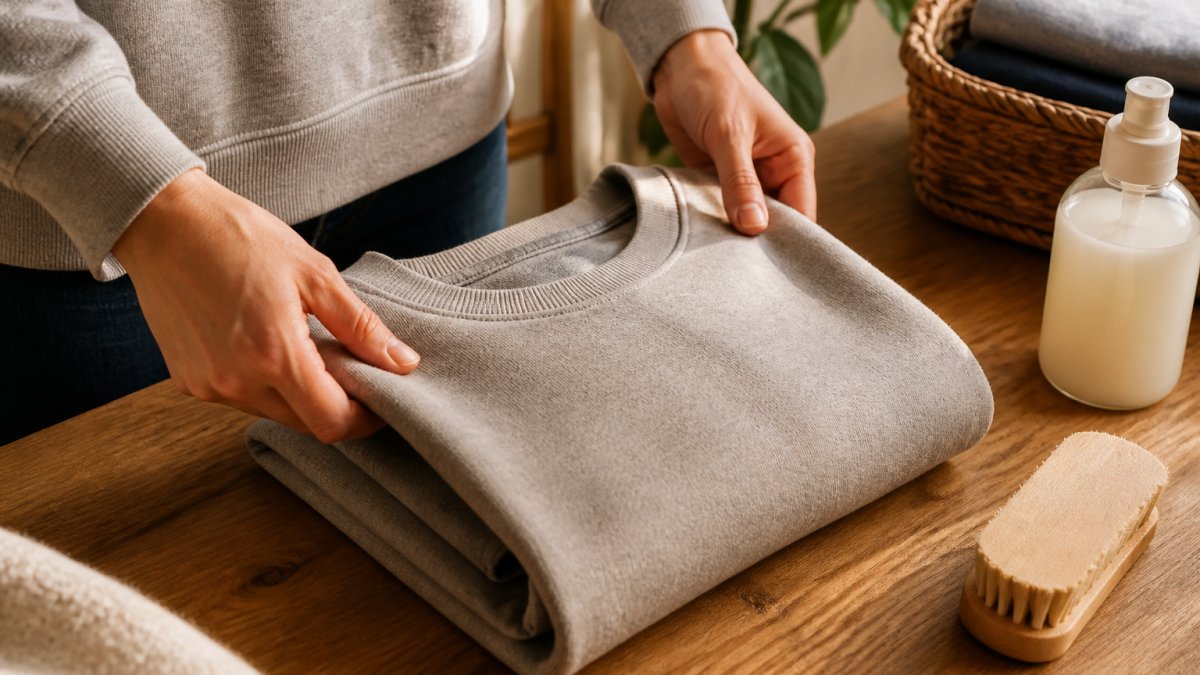
Garment longevity comes down to three habits: wash less often, wash colder, and dry smarter. Most wear and tear happens in the machine, not on your body.
- Turn garments inside out before washing to protect prints and seams
- Use cold water and a mild detergent; heat breaks down fibers
- Skip the dryer when you can; air-dry knits and heavyweight cotton flat
- Store folded rather than hung for heavy sweatshirts to avoid shoulder stretch
- Repair small issues early: a loose seam is a five-minute fix, a torn one isn't
Fabric weight matters here too. For concrete proof that durability-focused clothing outlasts mass-market pieces, see why independent streetwear lasts longer. To see how fabric weight and print quality translate into real cost per wear, read this review of premium graphic tees worth the price.
How to Start a Slow Fashion Wardrobe Without Starting Over
You don't need to replace your closet, and you don't need to spend a lot to start. The most effective approach is a sequence: audit what you own, change how you shop, care for what you have, and measure whether it's working. Here's a realistic order of operations.
Step 1: Audit your wardrobe (one evening)
Pull everything out and sort into three piles: wear regularly, wear occasionally, never wear. For the "never wear" pile, note why, wrong fit, worn out, uncomfortable, or simply forgotten. The reasons tell you what to stop buying. Most people find a pattern within twenty minutes: duplicate basics, trend pieces bought on impulse, or garments that never fit well. Keep a short list of what you actually reach for; that list is your real wardrobe, and it's the baseline for every future purchase.
Step 2: Pause new purchases for a set period
A common pattern among people transitioning to slow fashion is a short buying pause, often one to three months, to break the impulse cycle and let the audit settle. Use the pause to repair, re-wear, and notice what you genuinely miss. The point isn't deprivation; it's separating want from habit.
Step 3: Change how you shop, not just what you buy
When you do buy, run each item through practical filters:
| Filter | Question to Ask | Pass Criteria |
|---|---|---|
| 30-wear test | Will I wear this 30 times? | Yes, with outfits in mind |
| Cost per wear | Price divided by estimated wears | Falls below a cheap alternative |
| Fabric check | What's the weight and fiber? | Dense, natural fiber, holds shape |
| Construction | Are seams and prints solid? | Reinforced seams, cured print |
| Versatility | Does it match 3+ existing pieces? | Yes, no new shopping needed |
The 30-wear test is the one that saves the most money. If you can't picture thirty outings, the garment isn't slow fashion, it's a fast-fashion purchase with better branding.
Step 4: Use lower-cost routes first
Slow fashion is often framed as expensive, and upfront prices on new, ethically made garments usually are higher. But the transition doesn't require buying new at full price. Lower-cost routes include:
- Secondhand and resale, thrift stores, consignment, and online resale platforms let you buy durable garments at a fraction of retail, and they extend the life of clothing already in circulation.
- Clothing swaps, swap events with friends or local groups refresh a wardrobe at no cost and keep wearable items out of waste streams.
- Repairs and alterations, a tailor can fix a seam, replace a button, or adjust fit for far less than a replacement; learning basic repairs yourself stretches garments further.
- Buying less, the cheapest slow-fashion purchase is the one you don't make. Wearing what you own longer is the highest-impact, lowest-cost move available.
Step 5: Care for what you have
Longevity is a behavior, not a purchase. Wash less often, wash colder, air-dry when possible, and repair small issues early. A loose seam is a five-minute fix; a torn one isn't. Heavier cotton and dense knits tolerate repeated washing far better than thin, loosely woven material, which is the practical case for buying at a higher fabric weight from the start.
Step 6: Measure whether it's working
Slow fashion benefits become concrete when you track a few simple indicators:
- Cost per wear, price divided by number of wears; it drops every time you re-wear a garment.
- Garment wears, the total number of times an item is worn before retirement; higher is better.
- Repairs vs. replacements, how often you repair instead of rebuying.
- Purchases per season, a falling count usually signals a shift toward intentional buying.
- Textile waste avoided, items kept in use or passed on rather than discarded.
None of these require an app. A note on your phone is enough, and the numbers make the trade-offs visible instead of abstract.
The sequence matters more than any single purchase. Audit first, pause second, shop third, care fourth, measure throughout, and let the rest of your closet phase out naturally as items wear through.
How to Verify Sustainability and Labor Claims
Claims are cheap. Verification takes five minutes and a skeptical eye. Look for named factories or supplier lists rather than vague "ethical production" language. Certifications help: Fair Trade certification standards and GOTS organic textile certification both require third-party auditing, which is harder to fake than a website badge.
Ask three questions of any brand:
- Who made this, and where?
- What is the fabric, by weight and fiber content?
- What happens if it falls apart?
Brands with real answers publish them. If you want a broader shortlist of brands that survive real wear, a guide to durable streetwear brands covers the quality signals worth checking.
The Real Trade-Offs: Cost, Access, and Imperfection
Slow fashion costs more upfront, and pretending otherwise is dishonest. Higher fabric weights, fair wages, and small-batch production all raise the unit price.
Access is the second trade-off. If you're weighing whether the higher price is justified at all, a breakdown of whether premium streetwear is worth it walks through durability and resale value honestly.
The third trade-off is imperfection. No brand is fully sustainable. We focus on durable construction and expressive design because that's where we can make the biggest difference, not because we've solved every supply chain question.
Frequently Asked Questions
What is the slow fashion movement in simple terms?
Slow fashion is a design and buying approach that prioritizes durable clothing, responsible production, and mindful consumption over trend-driven volume. Instead of chasing cheap, fast-turnaround styles, it encourages buying fewer pieces that last, repairing them when needed, and choosing brands that are transparent about materials and labor. The movement borrows its name from Slow Food and applies the same logic to clothing: quality over quantity, and respect for the people and resources behind each garment.
What are the main slow fashion principles?
The core slow fashion principles include quality over quantity, ethical production with fair labor and living wages, environmental sustainability through reduced waste and lower carbon emissions, use of natural fibers and sustainable materials, and mindful consumption. It also values transparency and accountability across the supply chain, local and small-batch production where possible, and garment longevity through care and repair. These principles work together: a durable garment made under fair conditions and worn for years embodies all of them at once.
How is slow fashion different from fast fashion?
Fast fashion relies on rapid trend cycles, low-cost synthetic materials, and high-volume production that often externalizes environmental and labor costs. Slow fashion vs fast fashion comes down to time and intent: slow fashion designs for durability and timelessness, produces in smaller batches with ethical sourcing, and treats clothing as an investment rather than a disposable item. The result is fewer items produced, longer garment longevity, and less textile waste entering landfills each year.
Does slow fashion mean buying expensive clothes?
Not necessarily. Slow fashion is about cost per wear, not sticker price. A well-made piece worn hundreds of times can cost less per wear than a cheap item that falls apart after a few washes. You can also participate through secondhand clothing, clothing swaps, repairing what you own, and buying less overall. Affordability and access are real barriers, so start with what you have: care for existing garments, shop secondhand for durable pieces, and prioritize quality on the items you wear most often.
The hardest part of slow fashion isn't understanding it. It's resisting the next drop long enough to buy something you'll still wear in three years. That's the standard we build to at You're Boring: heavyweight fabrics, expressive prints, and construction meant to outlast the trend cycle. Start with one staple, apply the 30-wear test, and see how differently you shop. Get started with You're Boring and build a wardrobe that actually earns its place.

Don't be boring.
Hoodies, tees and hats that say what everyone's thinking. Free US shipping over $70.
Shop the drop

